



Buying guide · Published

Automatic Litter Box Cleaning and Running Costs: LR4 vs MAX 3

Plan LR4 and MAX 3 cleaning, bags, odor-control refills and optional extras with a practical ownership-cost worksheet.

The short answer

Choose by the job you need done.

Compare the upkeep you will actually do: waste bags, litter, cleaning and the odor-control parts fitted to your exact package. Record real replenishment before claiming one machine is cheaper to run.

Exact scope · Litter-Robot 4 and PUROBOT MAX 3 P9906, with PETKIT care instructions from the joint P9906/P9911 manual. No measured annual-cost or maintenance-time winner.
A shortlist for different needs

Two approaches.
Choose the one that fits.

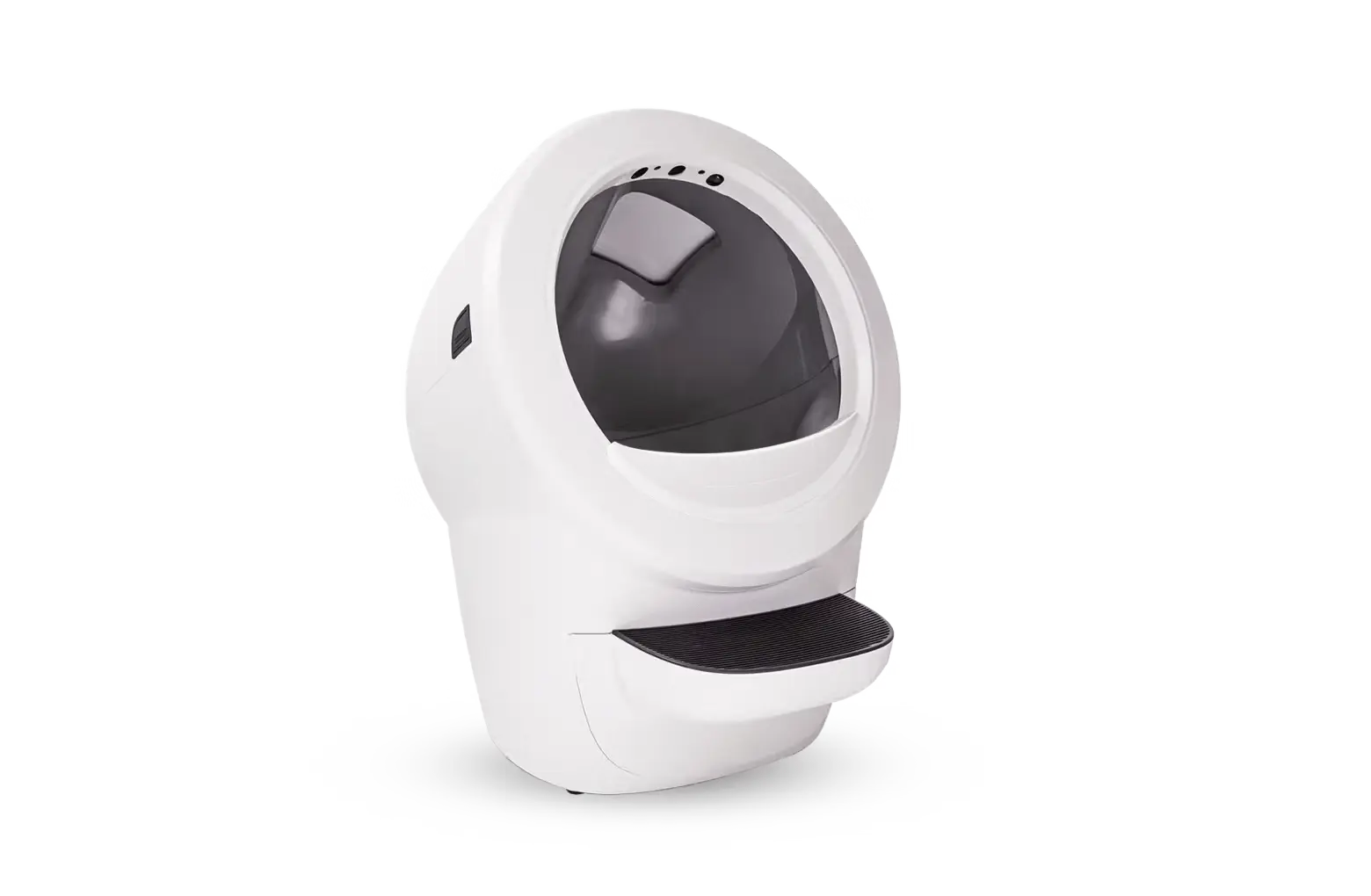
White Whisker Litter-Robot 4 with fence and step
Whisker product image
LR4 care plan

Separate globe cleaning from electronics

Whisker Litter-Robot 4
Fits if
You can follow the model’s illustrated care routine.
The tradeoff
The base stays protected from rinsing; supplies still need replenishment.
Choose another approach if
Assuming automatic sifting means no cleaning.
[1][2]Read the full review
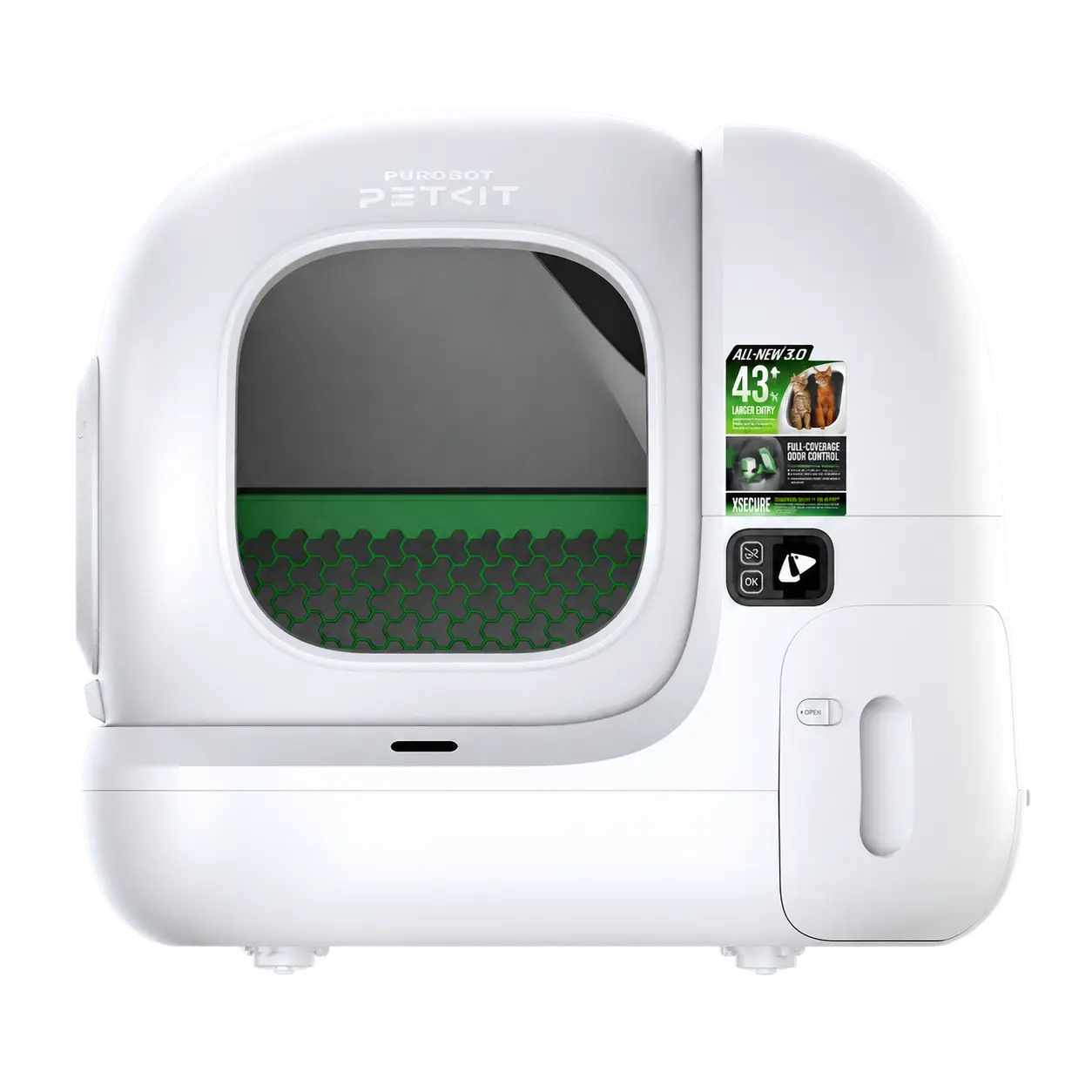
White PETKIT Purobot MAX 3 automatic litter box, front view
PETKIT product image · Edited for layout
MAX 3 package check

Budget only the equipment you own

PETKIT PUROBOT MAX 3 · P9906
Fits if
You have confirmed the actual package contents.
The tradeoff
Refill planning depends on which odor-control components are present.
Choose another approach if
Assuming every US offer includes the Premium equipment.
[3]Read the full review
At a glance

Match the choice to the need.

Household needOption to considerBoundary to check
Routine cleaningOption to considerUse the exact model’s component guideBoundary to checkWashable removable parts do not make the electronic base washable.[2][3]
LR4 bag costsOption to considerSuitable clear bags can be comparedBoundary to checkCheck fit and installation against the care guide.[1]
MAX 3 refill costsOption to considerMatch consumables to installed partsBoundary to checkBasic/Premium contents differ in the manual.[3]
Maintenance scheduleOption to considerAdjust to actual soiling and useBoundary to checkReference intervals are not unattended-care promises.[1][3]
Before buying

A few useful questions.

How often does LR4 need globe cleaning?

Whisker recommends a basic clean every 1–3 months and deep cleaning at least every three months, with more frequent care when needed.[1]

Can I wash the whole machine?

No. Follow the model-specific component instructions; keep the electronic base protected from water.[2][3]

Is MAX 3’s cheapest offer necessarily the full odor-control kit?

No. The manual distinguishes packages. Verify the actual seller contents before budgeting add-ons and refills.[3]

A closer look

Setup, limitations and related reading.

Budget for a routine, not just a purchase

An automatic litter box changes the work; it does not remove the need to inspect, empty and clean it. We would compare the complete routine before choosing an accessory bundle or assuming a lower sticker price means a lower ownership cost.

Keep three lists: regular supplies, occasional replacements and optional extras. Put each item in the correct list before comparing machines. A deodorizer refill, replacement liner and paid app feature are different expenses.

Litter-Robot 4: schedule the globe separately

Whisker's LR4 care guide recommends a basic globe clean every 1–3 months and a deeper clean at least every three months, adjusted for use. It also allows suitably fitted clear 8–13 gallon bags and gives approximately one month as a normal carbon-filter interval. These are planning references, not promises for every household. Use and care

The separate deep-cleaning guide distinguishes the washable globe from the electronic base. Do not soak or spray the base; dry the globe fully before reassembly. Follow that illustrated guide for disassembly rather than treating the whole machine as washable. Deep-cleaning instructions

MAX 3: care follows the component

The MAX 3 manual distinguishes rinsable cylinder/sifter parts from the pad and electronic body. Use its component instructions, protect the pad coating and dry parts completely before reassembly. Its maintenance table lists approximate N50 and N60 replacement intervals of 30 and 60 days respectively. Manual, printed pages 18–25

Those refill intervals only help a budget after you know what equipment you actually own. The manual distinguishes Basic and Premium packages; do not assume the cheaper listing contains every odor-control component. Check the seller's itemized contents before pricing refills or add-ons. Manual, printed page 3

Build your own running-cost worksheet
Item What to record How to compare fairly
Litter Price and quantity actually used over the same period Include clean litter discarded during changes, not just top-ups.
Waste bags Pack price, count and actual change frequency Use a suitable fitted bag, not a cheaper size that fails to fit.
Odor-control supplies Exact cartridge/filter and whether installed Keep optional extras separate from the routine you need.
Cleaning Supplies used and time spent Record your household routine rather than a marketing interval.
Repairs and wear parts Parts replaced, price and date Keep one-off costs separate from regular replenishment.
App extras Exact entitlement, renewal period and price Do not assume an app connection means every feature is free.

Our suggested calculation is: annual recurring cost = the sum of each item's actual unit cost × annual quantity used. Add one-off accessories separately. For a first-year total, also add the purchase price, tax and delivery. There is no verified household-wide dollar estimate here; start with your receipts and revise the worksheet as real usage becomes clear.

A five-minute ownership check
  • Check the waste bin and litter level against actual use.
  • Look for soiling, damaged parts or unclear alerts.
  • Keep the model's care instructions available when taking it apart.
  • Record supplies when replaced, so the budget reflects your routine.
  • Arrange a person to check the setup when you are away; a capacity claim is not a care plan.

For the buying decision, read the LR4 vs MAX 3 comparison. Check litter compatibility before switching formula. Our LR4 review and MAX 3 review separate device details from current seller offers.

Related troubleshooting

For specific LR4 symptoms, see what to check when litter clumps stick and what to do when the drawer still reads full after emptying. These are separate troubleshooting checks, not tests of litter compatibility.

Sources & evidence 3 references
  1. Whisker Litter-Robot 4 use and care
  2. Whisker Litter-Robot 4 deep-cleaning guide
  3. PETKIT PUROBOT MAX 3 English manual